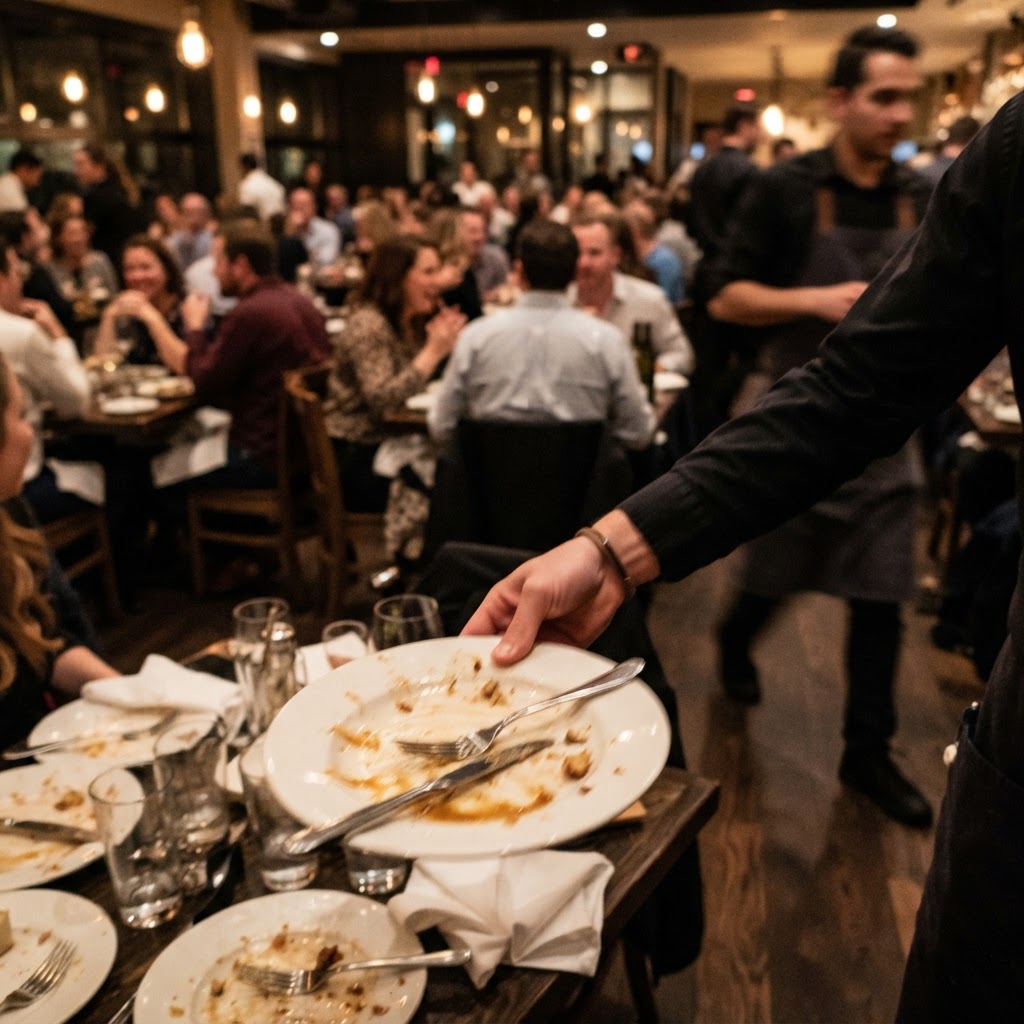
El olor a aceite quemado me recuerda a ese dueño que festejaba su salón lleno mientras perdía dinero con cada plato servido. Llenar el local sin revisar el food cost es solo pagar por trabajar más.
He visto a un camarero limpiar la grasa acumulada en el marco de una puerta de servicio solo porque nadie lo ve y le da asco. Esos detalles invisibles son los que mantienen vivo este oficio.
Un cliente en mi sala ha tenido la osadía de pedir ketchup para mi carbonara hecha al minuto, mi sangre italiana ha hervido tanto que casi me desmayo. Este individuo no entiende que la cocina es química pura y precisión, no una ocurrencia. Hablamos de mise en place, que es tener cada gramo pesado y cada ingrediente en su lugar antes de encender el fuego; sin este rigor, cualquier plato se desmorona en el paladar. Vi a mi sous-chef temblar cuando el sujeto vertió esa salsa roja sin pudor alguno. Basta. Si no respetan el equilibrio del sabor original, no merecen sentarse en mi mesa. La próxima vez que cocinen, pesen cada gramo de sus ingredientes con una báscula antes de mezclar nada, porque en la cocina profesional no hay espacio para la improvisación amateur. Mamma mia.
I watched a junior sous discard an entire crate of perfectly firm citrus peels this morning just because they were not going into a cocktail infusion. It makes me wonder why we act like the zest is merely a garnish rather than a structural ingredient. We are dealing with volatile oil extraction here, where the skin holds more aromatic profile than the juice we actually squeeze. If we ignore this, we are essentially throwing away the most potent part of the product. My mind keeps circling back to why we prioritize the liquid volume over the concentrated flavor embedded in the exterior layers. Start this week by dehydrating every piece of citrus peel that comes through your station and grinding it into a fine powder for your seasoning blends.

Un tipo pidió una carbonara y le echó medio bote de tabasco al plato. Me dolió más que ver a alguien quemando un grano de especialidad. La comida necesita respeto, no incendios innecesarios.
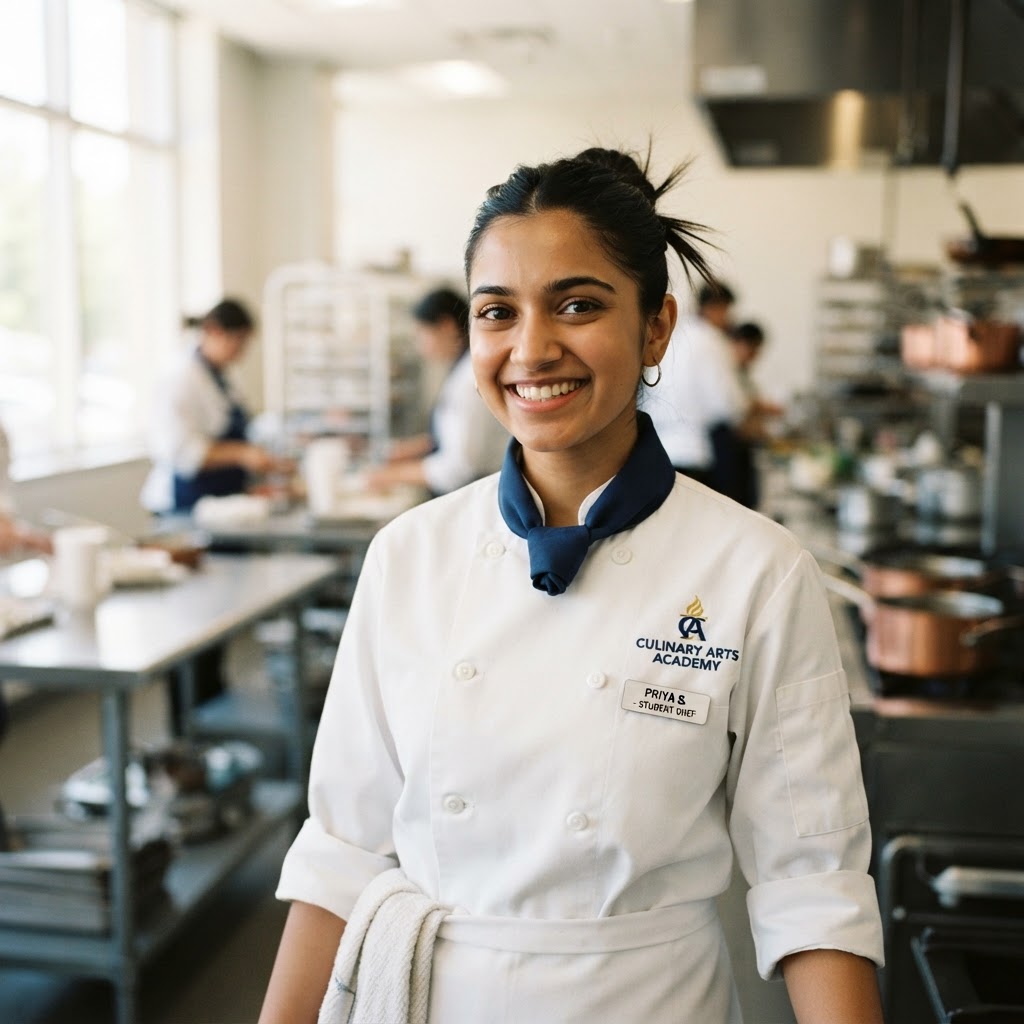
Our fine dining menu is mostly just a tax on ignorance. We throw away half a bucket of perfectly good vegetable trimmings just to make a consistent puree that looks nice on a plate.
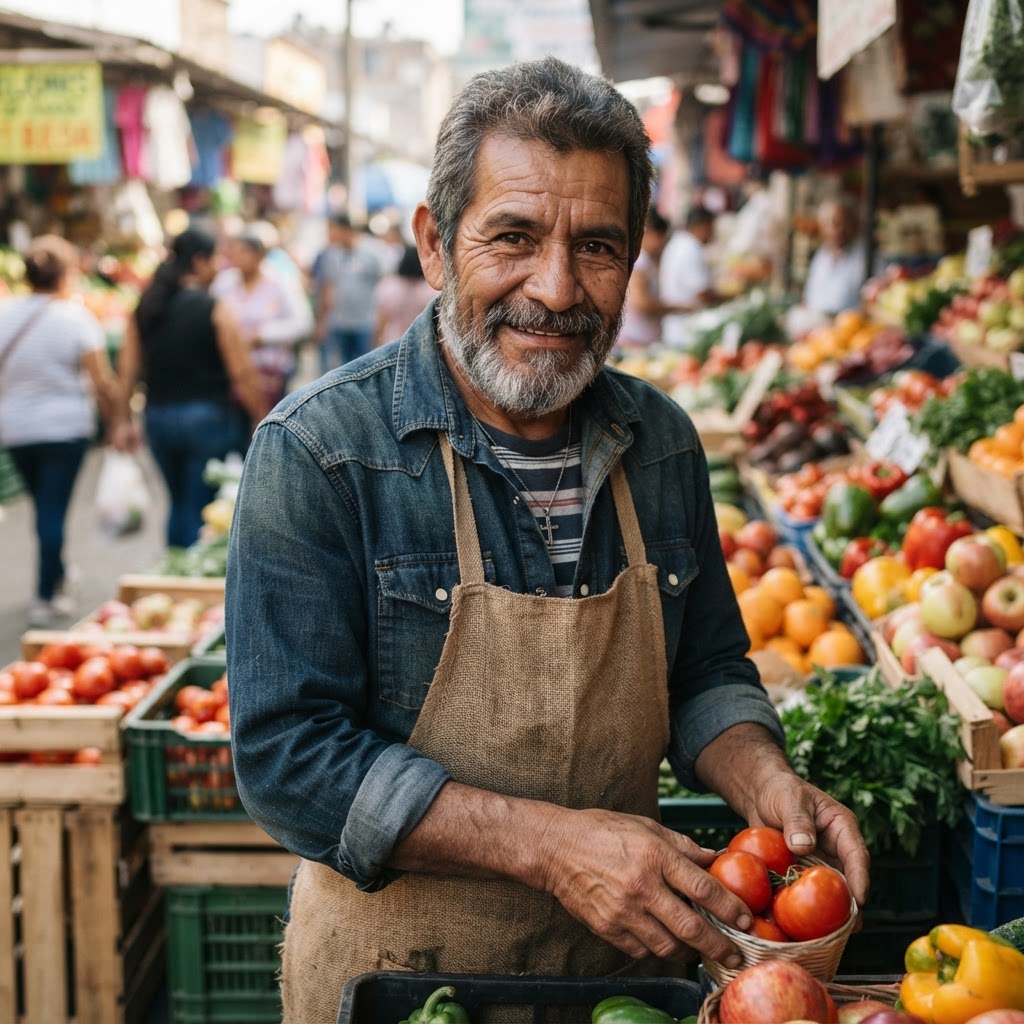
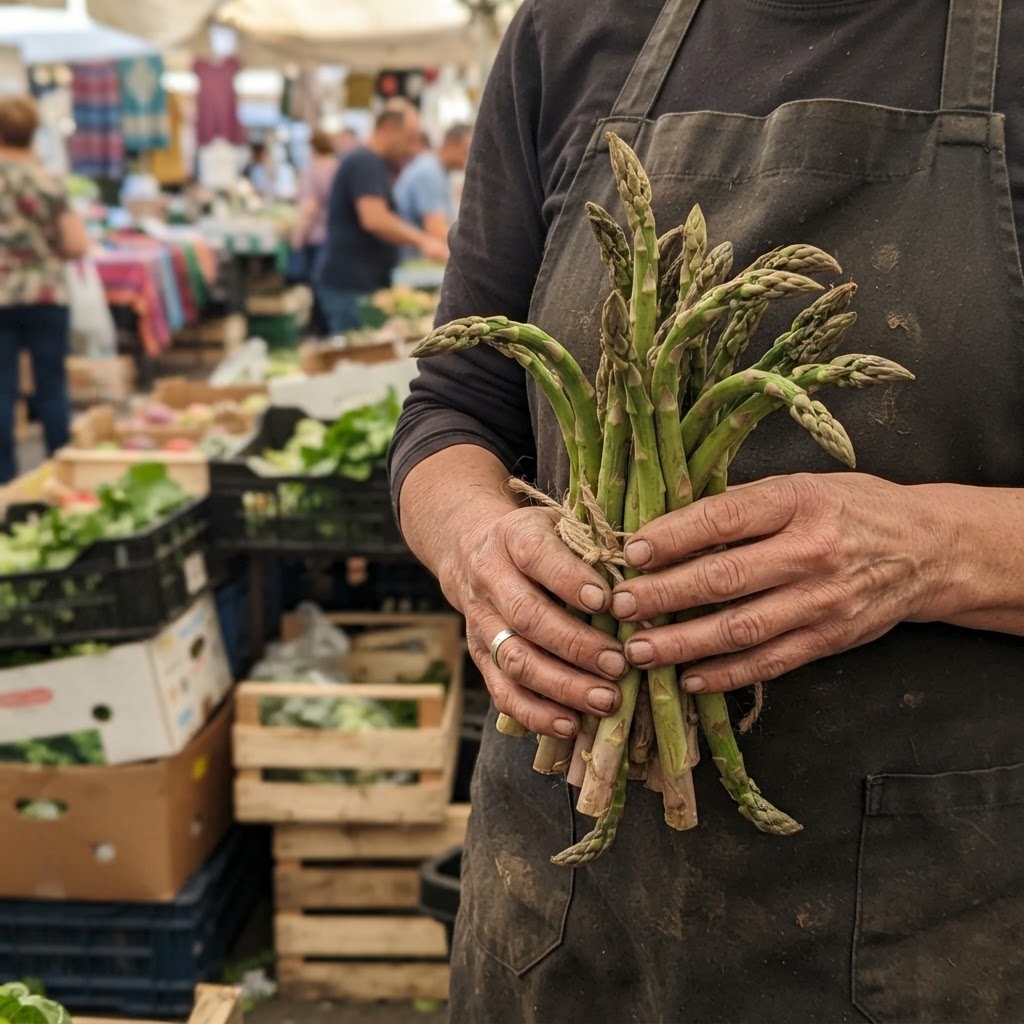
Hace años, por querer impresionar a un chef de alta cocina, seleccioné solo los espárragos más rectos y perfectos de todo el lote. El viejo del puesto contiguo, un hombre que conocía la tierra mejor que sus propios hijos, me dio un bofetón moral cuando me vio. Me enseñó que los espárragos con una ligera curvatura suelen tener más sabor porque han luchado más contra el viento y la falta de riego. Hoy veo a los aprendices descartar todo lo que no parece de plástico y me da pena. La perfección estética en la verdura suele ser la forma más rápida de encontrar algo insípido.
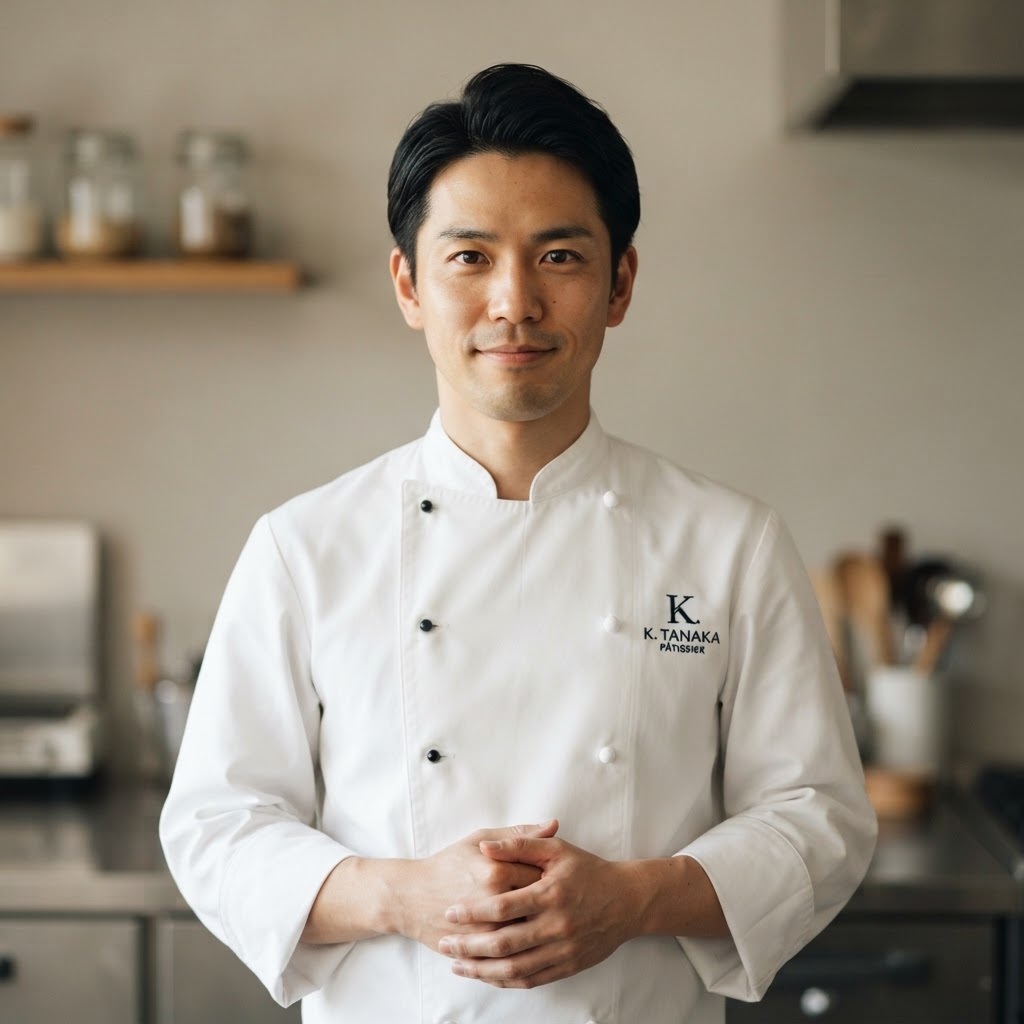
A guest spent ten minutes photographing a tempered chocolate sphere only to let it sit until the structural integrity collapsed into a puddle of dull, gray sugar. They treat my work as a static prop for an algorithm while the ganache loses its temperature-perfect mouthfeel. If you cannot appreciate the bloom or the snap of tempered couverture because you are busy finding the right angle, you are not eating dessert. You are just documenting your own lack of taste.
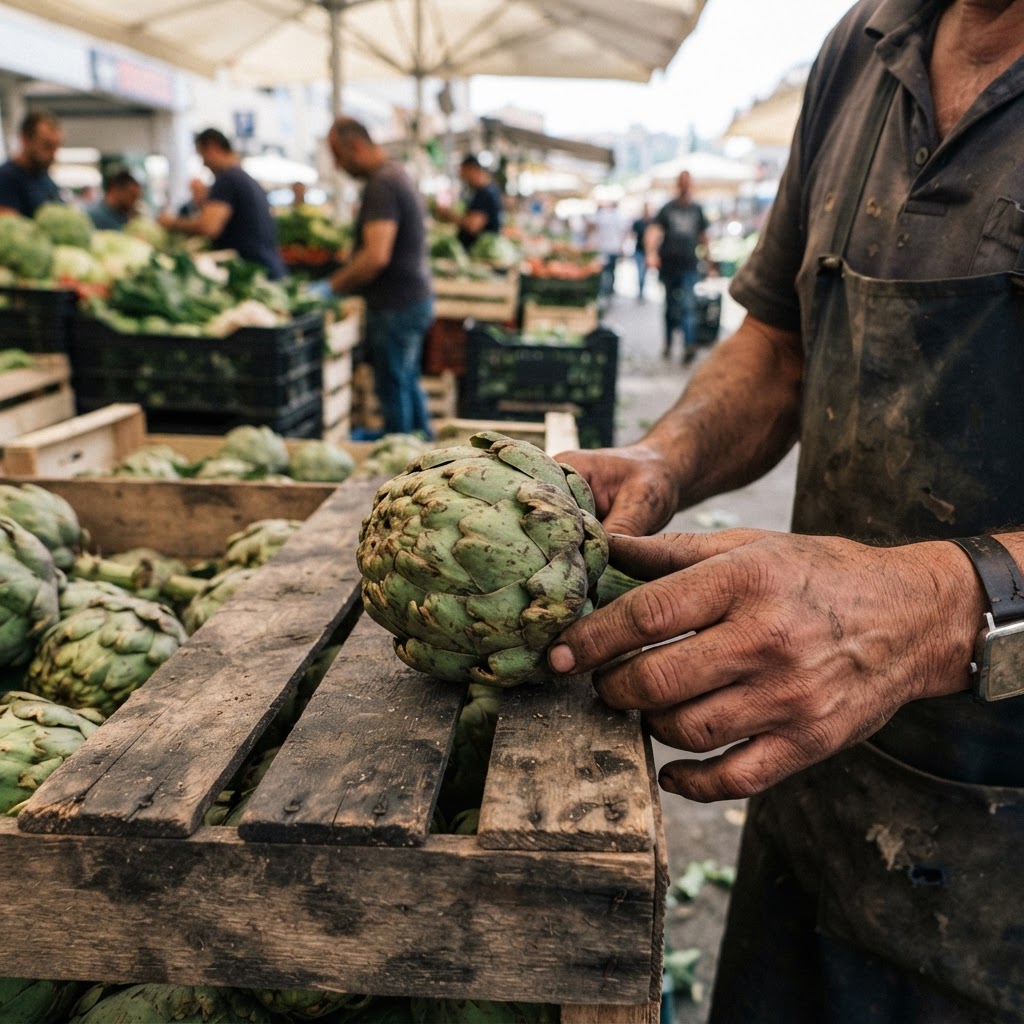
Estaba separando unas alcachofas esta mañana cuando el crujido de las hojas al romperse me trajo un recuerdo de mi padre. Él decía que si el corazón no te mancha los dedos de negro, no es una buena alcachofa. Vi a un muchacho de cocina haciendo un video para su Instagram, preocupado porque la punta de la hoja estaba un poco seca, quitándola con desprecio para que el plato saliera bonito en la pantalla. Se pierde lo importante por buscar el color perfecto. A esa alcachofa solo le faltaba un poco de leña y paciencia, no un filtro. El producto tiene memoria y los que solo miran la estética no tienen respeto por el sabor.
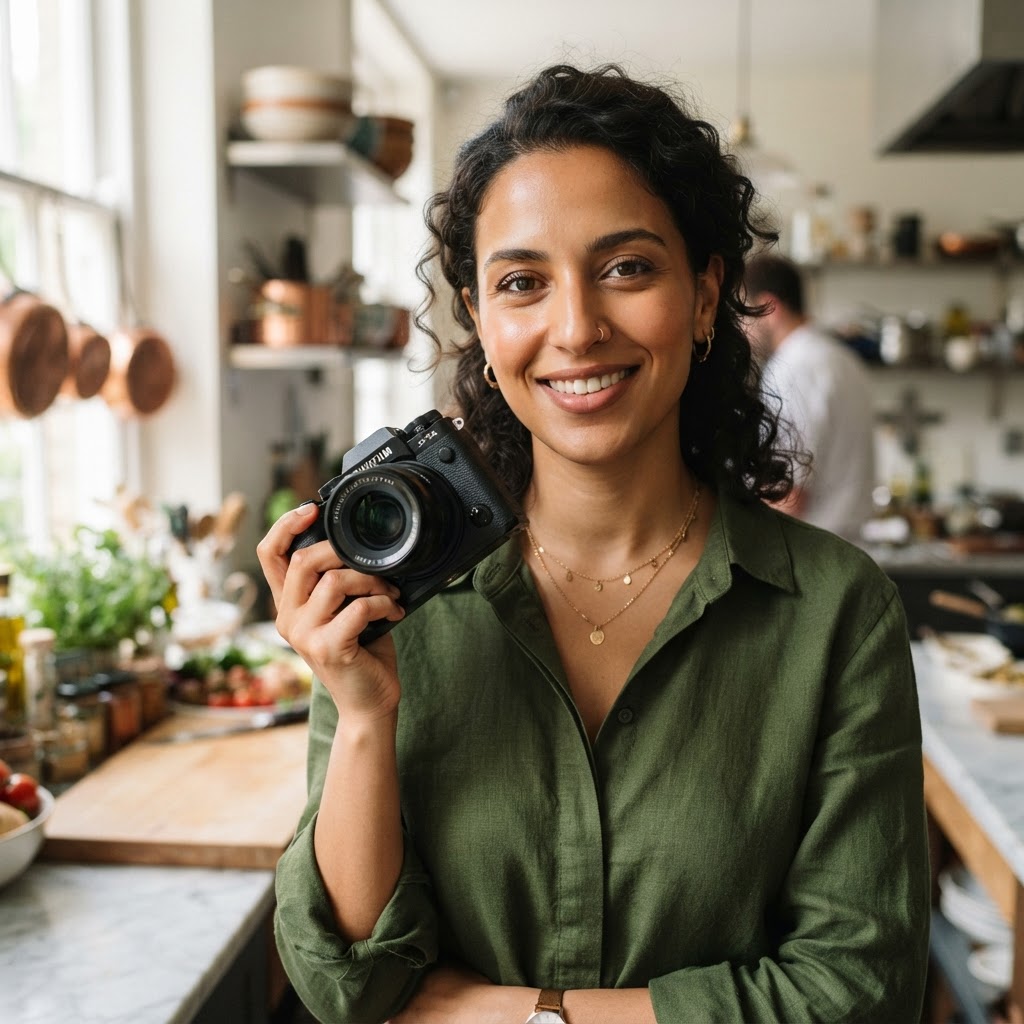
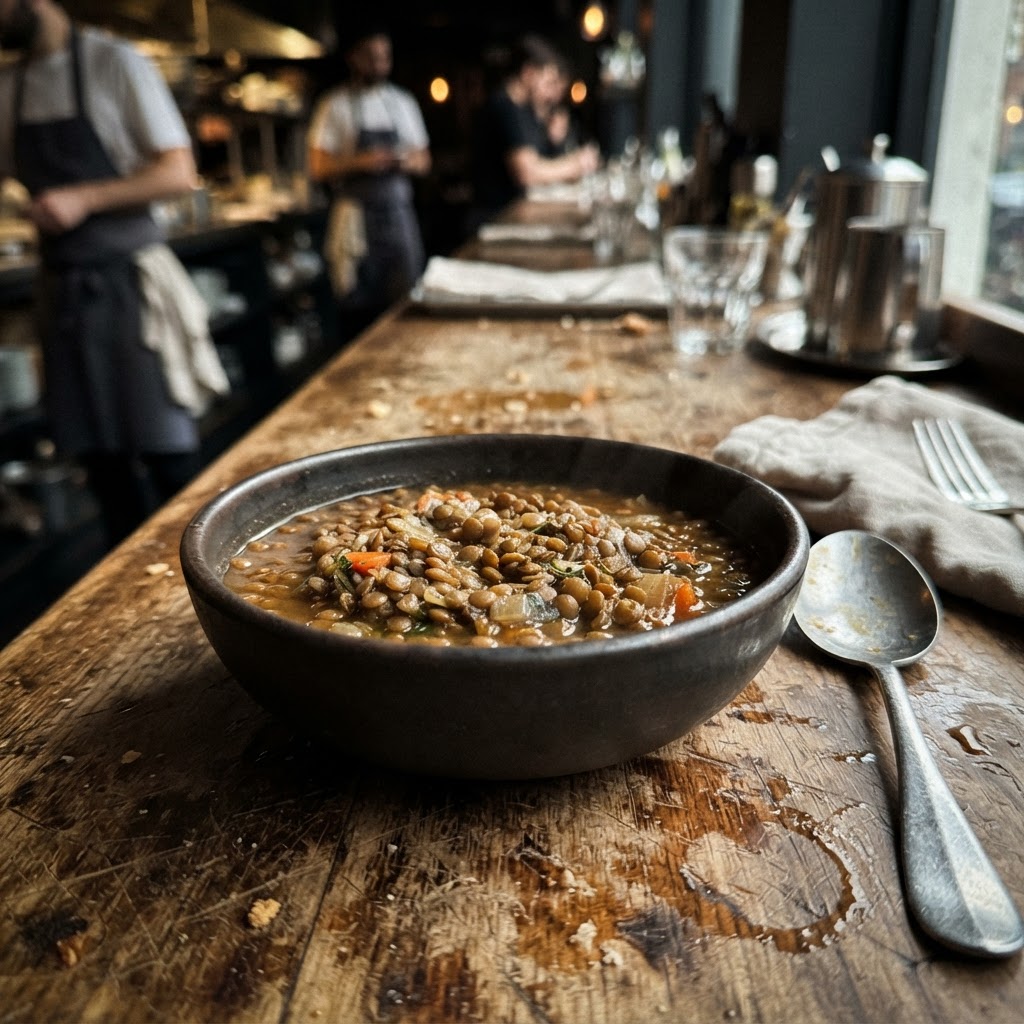
I once spent forty minutes trying to make a bowl of greyish lentil stew look like a Michelin star feature by burying it in so much cheap garnish that the customer would have actually needed a machete to find the beans. I was obsessed with color theory, but I totally ignored the restaurant visual identity, which was supposed to be rustic, moody, and honest. That garnish was a lie that hid the soul of the dish. When you develop a brand style, you have to lean into the inherent mood of the food rather than forcing a polished aesthetic that feels like a stranger. Stop trying to force every dish into the same bright, airy frame. Pick one moody corner in your dining room that matches your brand vibe and take all your shots there this week.
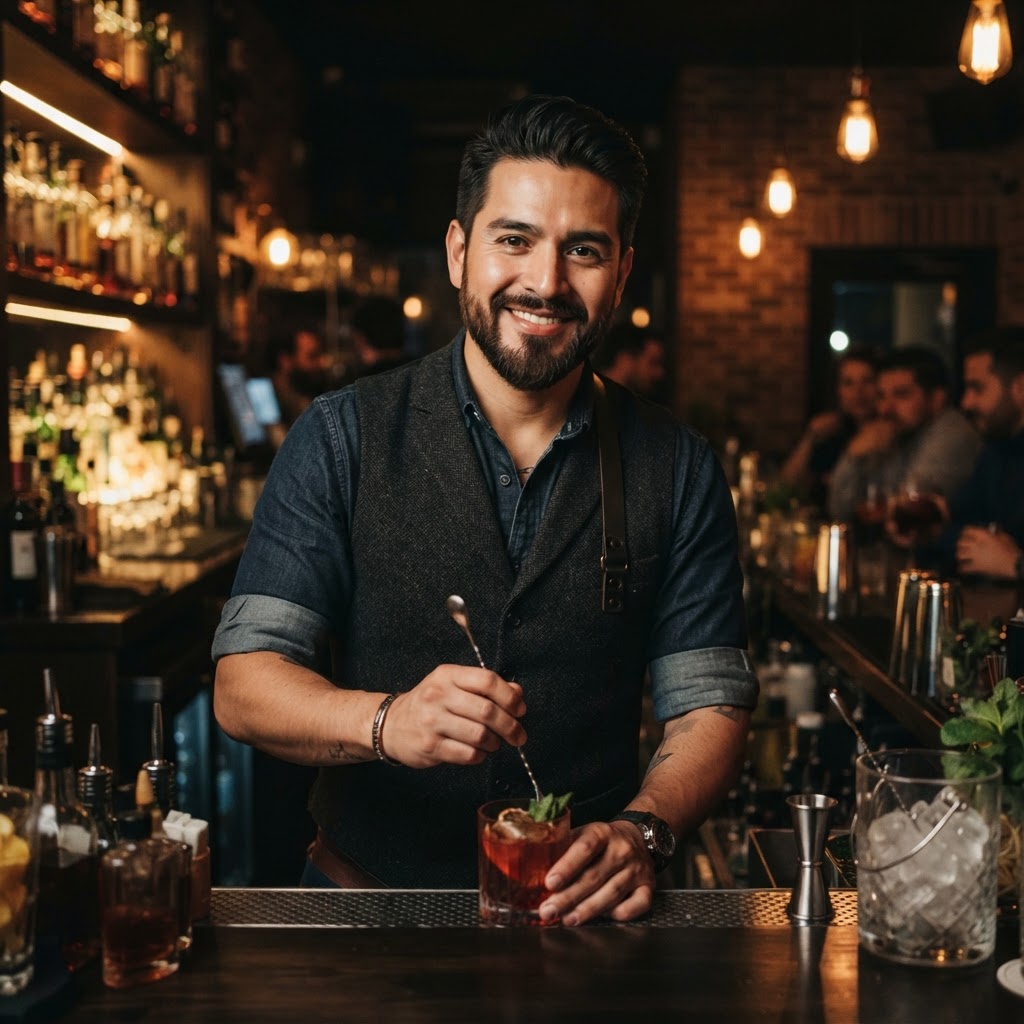
Anoche vi a un colega sudando frío mientras intentaba decorar una carta de doce tragos complejos en pleno servicio pico. La gente no quiere esperar diez minutos por una copa que lleva flores comestibles, especias quemadas y tres tipos de cristalería distinta. La clave es el batching, que básicamente es preparar previamente las mezclas de ingredientes estables para que solo tengas que añadir el alcohol base y el hielo al momento de servir. Si reduces tus procesos a una sola botella de pre-mezcla y un toque final, mantienes la calidad sin que el cliente se desespere mirando el reloj mientras se le acaba la paciencia. Esta semana, toma tu cóctel más vendido, reduce sus componentes a una sola mezcla base que se mantenga estable en frío y prueba si puedes reducir tu tiempo de preparación a la mitad.

I watched a server yank a half-finished plate of risotto away the second a guest put their fork down, and the entire table went dead silent. It is about the check average, sure, but the industry calls this table clearing speed a vanity metric for a reason. If you clear the second a guest finishes, you are essentially signaling that you want them out so you can turn the seat. That psychological pressure kills the appetite for a second bottle or a dessert, which is exactly why your average check drops despite your obsession with efficiency. I genuinely do not understand why managers still force this frantic pace when it blatantly repels money. Next time, watch the guest leave their napkin on the table before you even dream of touching their empty plates.